
How many restrooms does a county fair need?
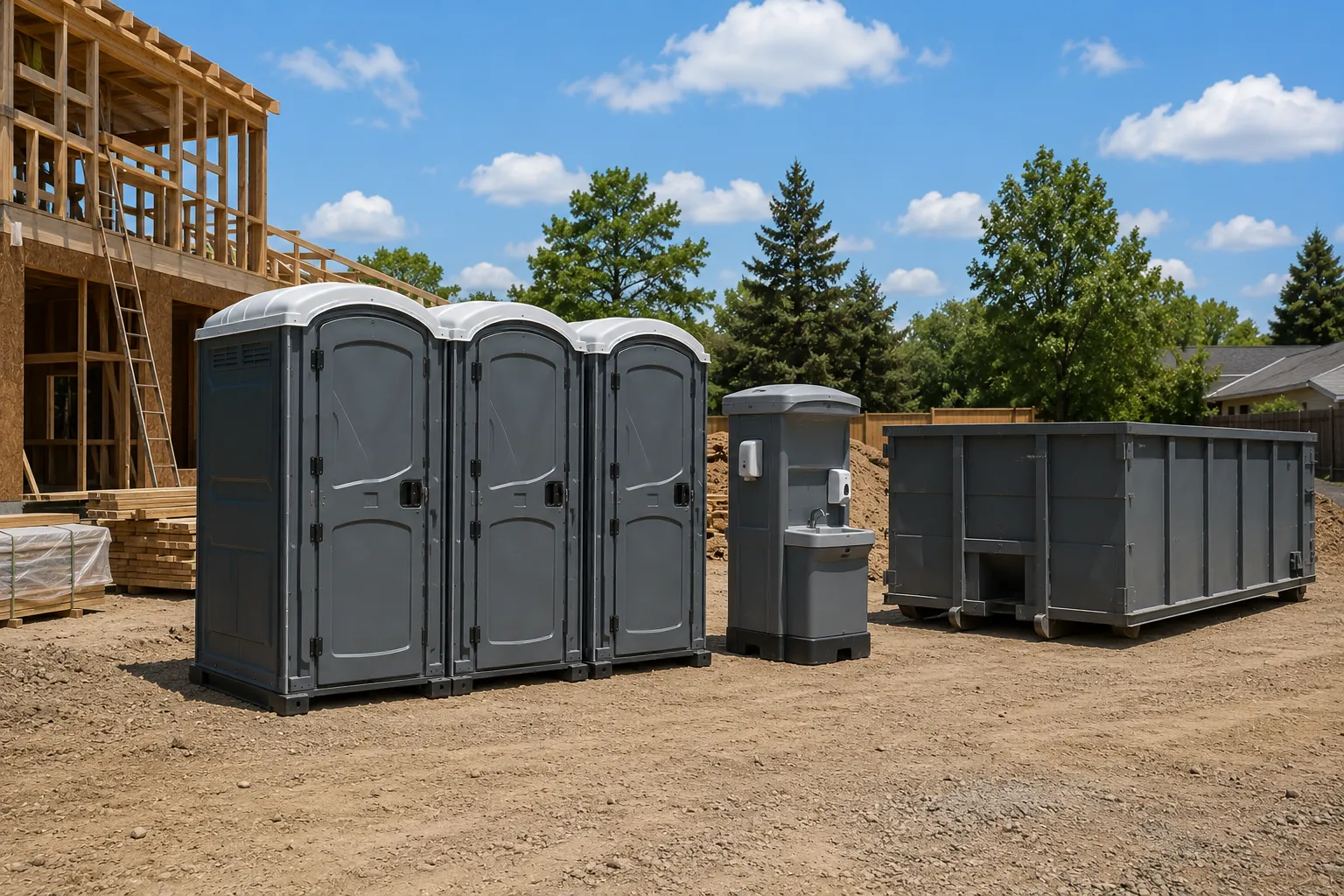
Fair crowds spike hard around gate opening, meal times and headline events, so the count has to cover the peak hour, not the daily average. We start with standard porta potty rental as the base unit, then layer in ADA accessible porta potty units to meet ADA Standards section 213.2, which requires at least 5 percent of a clustered bank to be accessible, with a minimum of one no matter how small the cluster. A fairground with food booths, a carnival midway and a grandstand behaves like three separate events stacked together, and each zone needs its own restroom bank so lines do not back into walkways. For a rough baseline, OSHA 1926.51(c) sets construction crew ratios at one toilet per 20 workers, and while a fair is not a jobsite, the same logic of matching fixtures to headcount applies to your setup and teardown crews. Our how many porta potties do I need guide walks through the math by attendance tier. Multi-day fairs also change the cleaning schedule, since a unit serving a heavy midway crowd for 10 hours a day needs service more often than the once-a-week baseline in ANSI/PSAI Z4.3. We map out placement zones on a fair site plan before delivery, checking access lanes for the roll-off and trailer trucks, which is also covered in our porta potty placement guide.
What restroom options work best for fair crowds?
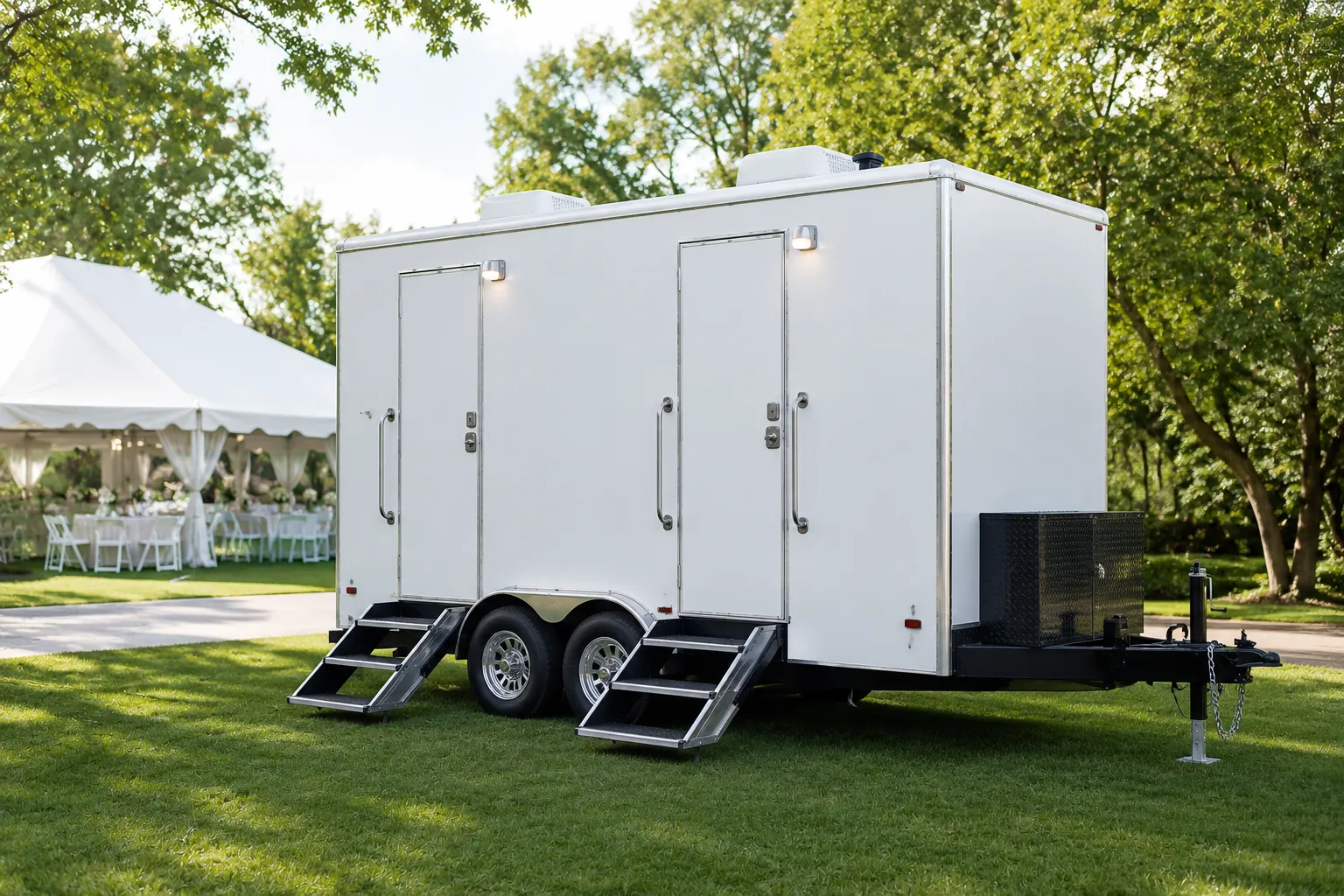
Standard units handle the midway and general grounds, but fairs with sponsor tents, beer gardens or VIP grandstand seating usually want something better. A restroom trailer rental gives fairgoers flushing fixtures, running water and real stalls, and our 4 stall restroom trailer is a common fit for a mid-size grandstand area. Larger fairs sometimes step up to an 8 stall restroom trailer to cover the main gate crowd without a long wait. For sponsor hospitality or a bridal-style VIP tent, the luxury restroom trailer option covers that need. Food vendor rows have their own requirement: anyone handling food prep needs handwashing access nearby, and 29 CFR 1910.141(d)(2) requires soap and towels or a hand-drying device at wash stations, not sanitizer alone. Our handwashing station rental and portable sink rental units get placed along vendor alley for exactly that reason. Grease from funnel cake and fry booths also needs a plan; our grease trap pumping service handles interceptors once they reach the 25 percent fats-oils-grease threshold that triggers a pump-out. Compare trailer and standard unit costs on our restroom trailer rental cost and porta potty rental cost pages before you commit to a layout.
What else does a fairground site need besides restrooms?
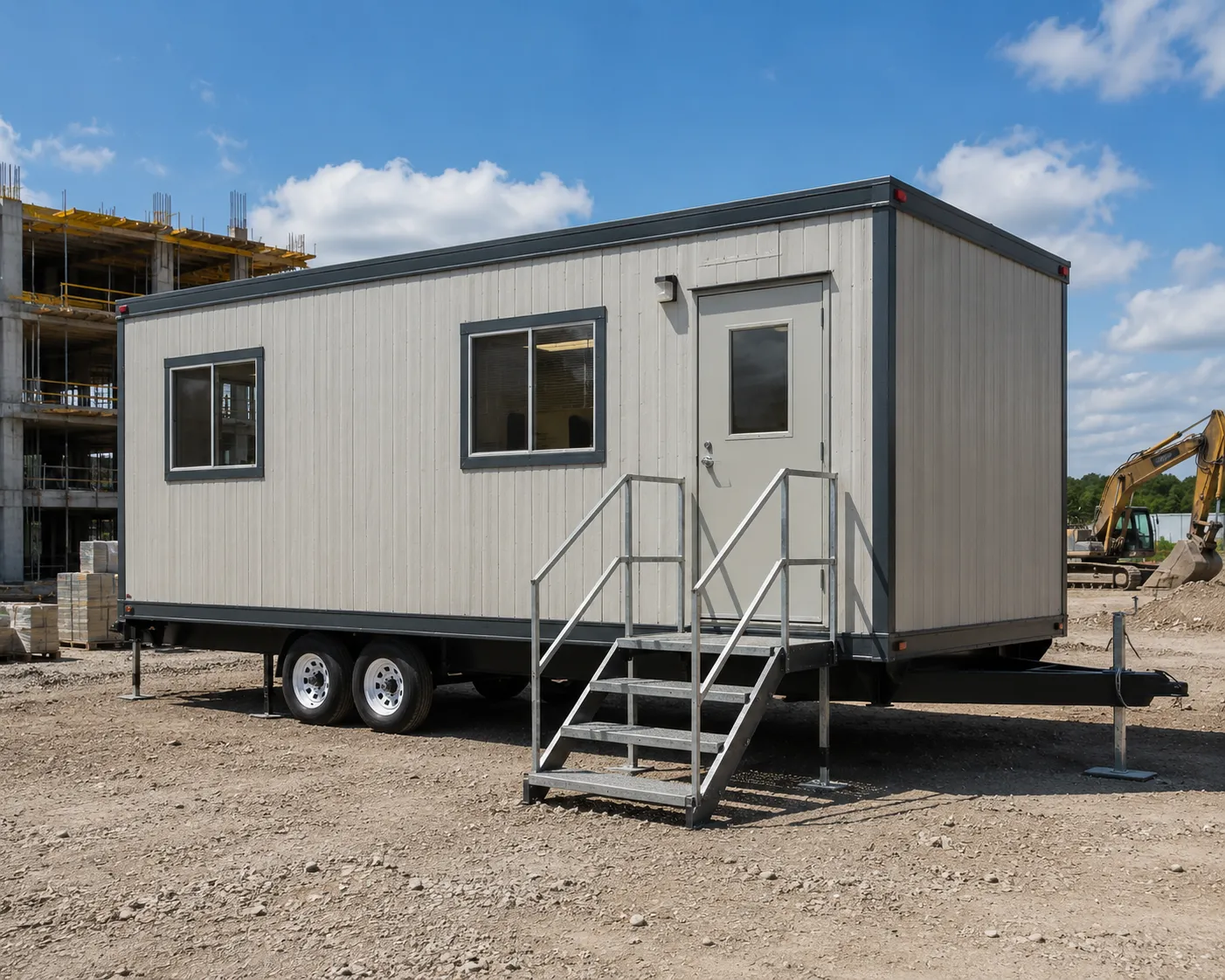
Restrooms are one piece of a fair site plan; waste, power and crowd flow all need coordinating too. Vendor booths and midway rides generate real trash volume, and a roll-off dumpster rental parked behind the food court keeps that contained, with our 20 yard dumpster rental sized for a weekend fair's food waste. Delivery trucks need about 60 feet of straight clearance behind the drop point, so we plan dumpster and trailer placement around your access road layout in advance. Nighttime fair hours mean lighting matters near restroom banks and parking; a light tower rental keeps walkways visible after dark. Carnival rides and generator banks often draw more power than a fair's existing hookups support, and our temporary power pole service adds capacity where needed. Crowd flow around the grandstand and midway entrances usually calls for crowd control barrier rental or a run of temporary fence rental to keep lines organized and keep foot traffic off ride operator zones. Gilroy sits close enough to draw fair crowds and vendors from Morgan Hill, 11.6 miles north, and San Martin, 7.8 miles north, so we plan delivery routes around both directions. If you are running the fair on short notice, our emergency porta potty rental line covers last-minute gate additions.
How far in advance should we book restrooms for a county fair?
Book 6 to 8 weeks out for a multi-day fair. Grandstand events, food vendor counts and trailer availability all firm up close to the date, and restroom trailers in particular book fast during fair season. A request a quote call early locks in your unit count before other events in Gilroy claim the same trailers.
Do we need ADA-accessible units at a county fair?
Yes. ADA Standards section 213.2 requires at least 5 percent of a clustered restroom bank to be accessible, never fewer than one unit. A fair with several restroom zones needs an accessible unit in each zone, not just one for the whole grounds. See ADA accessible porta potty for unit specs.
Can vendor rows share restrooms with the general midway?
They can, but it works better to give food vendors their own handwashing setup separate from general attendee restrooms. Vendors need frequent hand access near prep stations, while attendee lines cluster near ride entrances. Splitting the two cuts wait times for both groups.
How often do restrooms get serviced during a multi-day fair?
Heavy-traffic events usually need daily service, more than the once-weekly baseline in ANSI/PSAI Z4.3. We schedule service around gate hours so units get cleaned before morning opening and again if evening crowds run long. Multi-day fairs get a written service schedule in advance.
What is the lead time on a restroom trailer versus standard units?
Standard units can often be delivered inside a week. Restroom trailers need more lead time since fewer units are in the local fleet and fair season demand runs high. Book trailers first, then fill in standard units closer to the event date.
Next step
Get a delivery date
Tell us the address, the dates and the headcount. We size the order and confirm the route.