
How Often Does a Septic Tank Need Cleaning?
Every 3 to 5 years is the general rule for a standard residential tank, and that range holds whether you're on a quiet lot near downtown Gilroy or out toward San Martin, 7.8 miles north. A bigger household fills a tank faster because more water and waste move through the system each day. A smaller tank serving a full house needs attention sooner than a larger tank serving two people. If you've never had the tank serviced, or you don't know the size, that's the first thing to figure out before setting a schedule. Gilroy Porta Pros can check your tank size and household load and give you a realistic interval instead of a guess, and the same team handles septic pumping service calls across service areas in Gilroy, CA. If you're seeing slow drains, gurgling pipes, or standing water near the drain field, don't wait for the calendar. Read septic tank warning signs for the short list of symptoms that mean pump now, not later, and see the how often to pump a septic tank guide for the full breakdown. For a straight answer on what a visit runs, see septic tank pumping cost for what's included, or request a quote directly.
What Affects Septic Tank Cleaning Frequency?
Household size is the biggest lever, much like sizing a portable toilet rental for a crew or a household. A family of five generates far more wastewater than a couple, and that shortens the interval even with the same size tank. Tank size matters just as much. A larger tank holds more solids before it needs emptying, so two households with identical usage can be on very different schedules if their tanks aren't the same size. Water usage patterns count too. Long showers, garbage disposals, and laundry all add volume and solids to the system faster than a household that's careful about what goes down the drain. If your property also runs a restaurant or commercial kitchen, a grease interceptor is a separate concern. A grease interceptor gets pumped once fats, oils, grease, and solids reach 25 percent of the liquid depth, which can happen well before your septic schedule comes up. See grease trap pumping for that side of it, and holding tank rental options if you need backup capacity in the meantime. For general septic questions, septic tank cleaning covers the basics of what a cleaning actually involves, and septic tank warning signs lists what to watch for between visits.
Why Does Tank Size Change the Schedule?
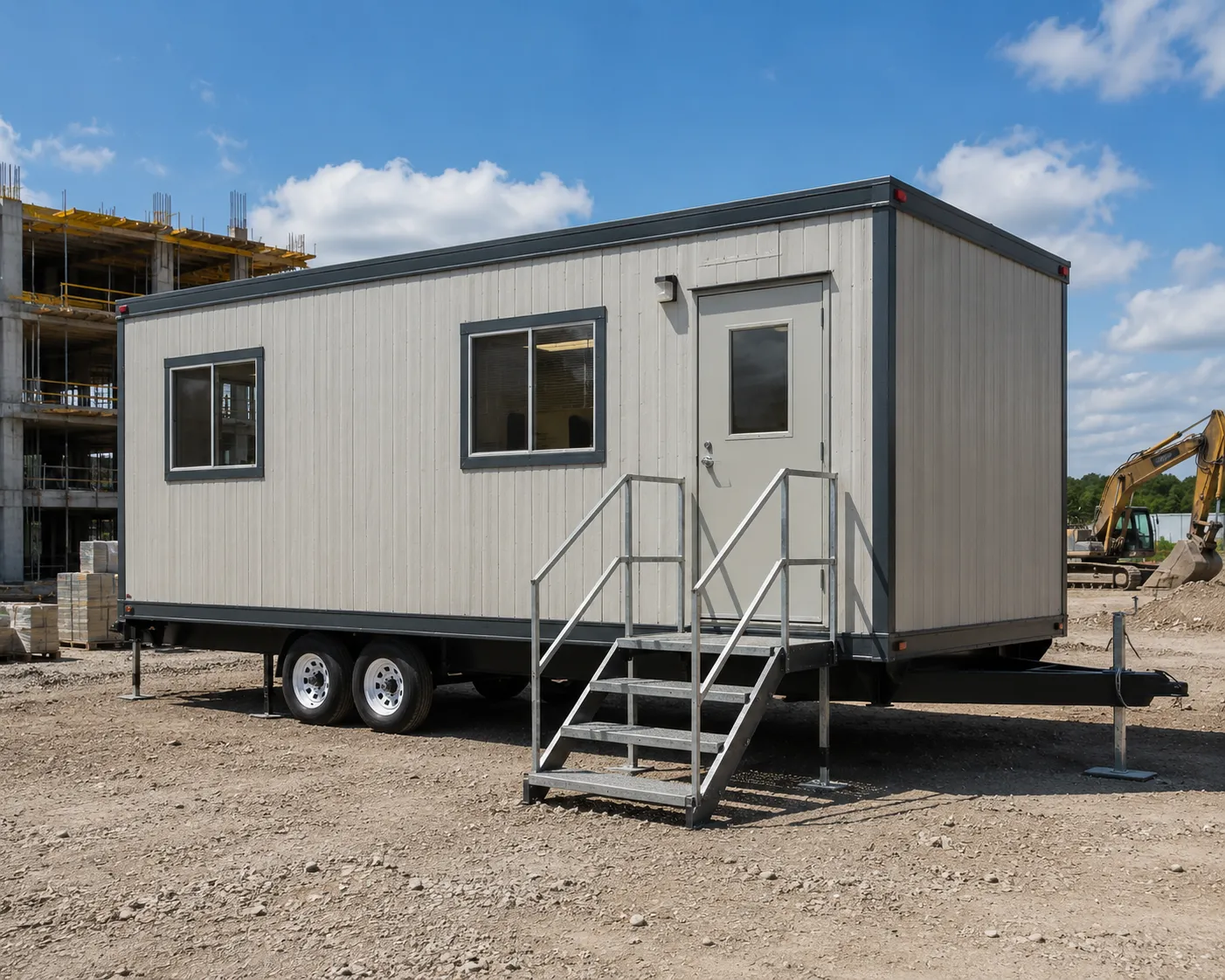
A bigger tank simply holds more before it fills to the point where solids need removing. That's why two neighbors in Gilroy with different tank sizes can land on different pump schedules even with similar household sizes. If you're not sure what size tank you have, that's worth confirming before you set a reminder, because guessing wrong in either direction either wastes a service call or risks a backup, the same logic that applies when sizing a standard porta potty rental for a job site. Properties further out, like those near Hollister, 16.6 miles southeast, or Morgan Hill, 11.6 miles north, often have older tanks installed decades ago under different code, so size and condition can vary a lot even within the same neighborhood. If your system needs backup capacity while you sort out a repair or a slow drain field, a holding tank rental can bridge the gap. For anyone building new or replacing a failing system, emergency septic service covers the calls that can't wait for a scheduled slot, and construction site services covers everything else a build needs in the meantime.
What Are the Signs a Septic Tank Needs Pumping Sooner?
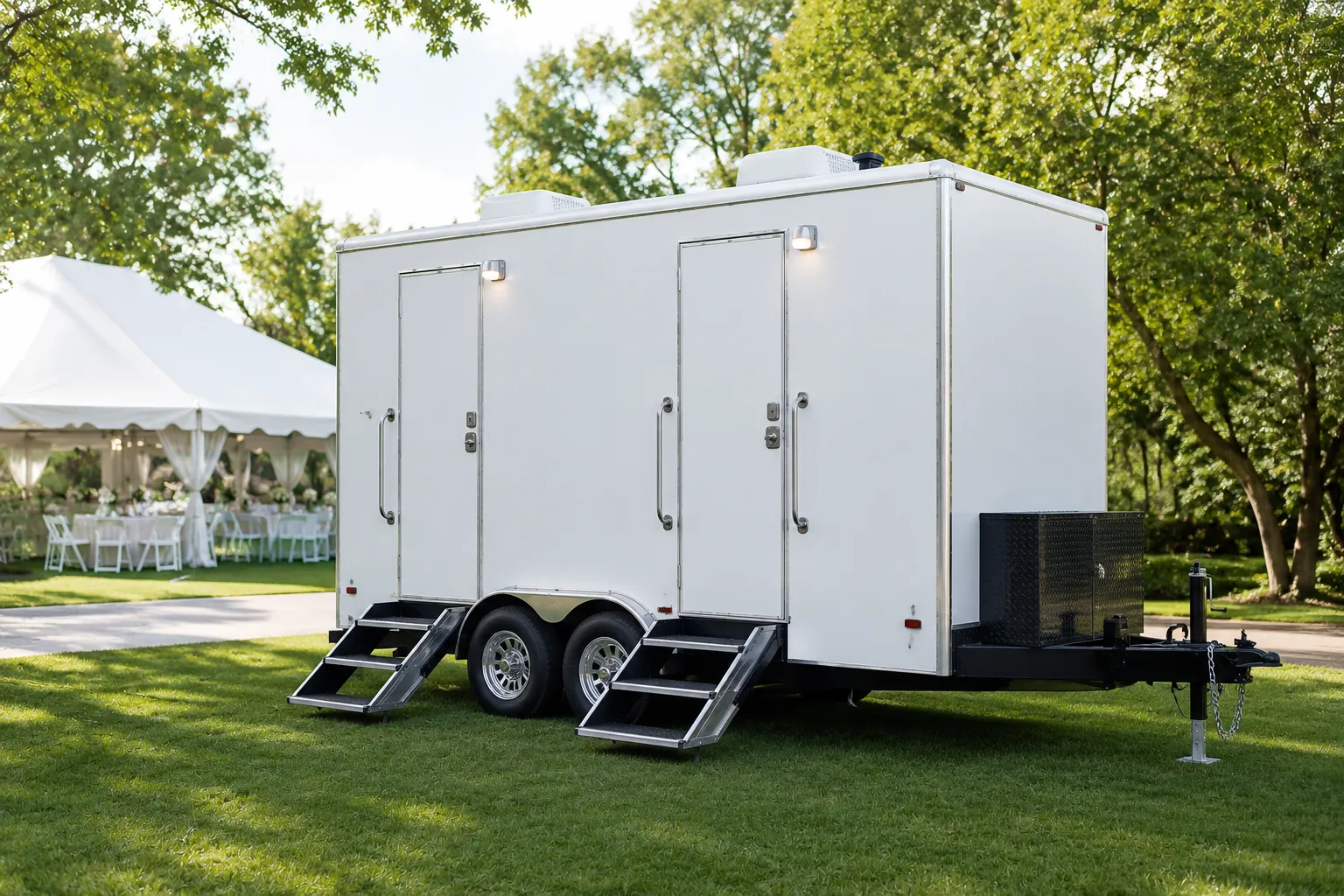
Slow drains, gurgling sounds in the pipes, sewage odor near the tank or drain field, and standing water on the surface above the tank all mean don't wait. These signs can show up well before the standard 3 to 5 year mark if the tank has been overloaded or neglected. Guests over for a party, a full house during the holidays, or a new tenant moving in can all push a borderline tank past its limit fast. If you're planning a large gathering at a property in Gilroy and worried about capacity, renting extra facilities takes the pressure off the septic system entirely. A portable restroom rental or a restroom trailer rental handles guest traffic without adding load to a tank that's already close to full, and a handwashing station rental covers the sanitation side guests notice most. For weekend events specifically, check event restroom rental for options sized to guest count, or wedding restroom rental and festival restroom rental for occasion-specific setups.
Frequently Asked Questions
How do I know what size septic tank I have?
Check your property records or ask the installer if you have that paperwork, similar to confirming details before booking a porta potty rental per day for a short job. If not, Gilroy Porta Pros can help identify tank size during a service visit. A common residential size is 1,000 gallons, but older homes sometimes have smaller tanks that need more frequent attention.
Can I extend the time between pumpings?
Not by much, and it's risky to try. Reducing water use and avoiding garbage disposal overuse helps some, but skipping a scheduled pump on a full tank usually ends in a backup. Stick close to the 3 to 5 year window unless a professional tells you otherwise, and check the FAQ or contact page if other questions come up.
Does a bigger household really change the schedule that much?
Yes. More people means more water and more solids moving through the tank daily. A five person household can fill the same tank noticeably faster than a two person household, which is why frequency isn't one fixed number for every home.
What happens if I skip pumping for too long?
Solids build up past the point the tank can handle, and they start moving into the drain field. That can clog the field permanently, which is a far more expensive repair than a routine pump. Watch for the warning signs and don't push past them.
Is grease trap pumping the same as septic tank pumping?
No. A grease interceptor is pumped based on fat, oil, and grease buildup reaching 25 percent of liquid depth, which is a different measure than a residential septic schedule. Commercial kitchens need both tracked separately, often on different calendars entirely.
Next step
Get a delivery date
Tell us the address, the dates and the headcount. We size the order and confirm the route.